

Mini Split vs Central Air: Pros, Cons, and Cost Compared
Posted 7.16.26

9 Minute Read

When it comes to mini split vs central air, the right answer is not the same for every home. Both systems cool effectively, but they take completely different approaches to getting there, and the better fit depends on your home’s existing ductwork, your budget, and what you are actually trying to accomplish. This guide breaks down how each system works, what they cost, where each one wins, and how to figure out which direction makes sense for your Smiths Station home. If you are leaning toward a ductless setup, Wingman can walk you through your ductless mini split options, or if a central system fits better, we can help you evaluate a central AC replacement with real numbers before any decision gets made.
Here is what we cover:
- How each system works and what sets them apart
- The pros and cons of mini splits versus central air
- How the costs compare on installation and operation
- Which system fits which type of home
- What to ask before making your decision
How Each System Works
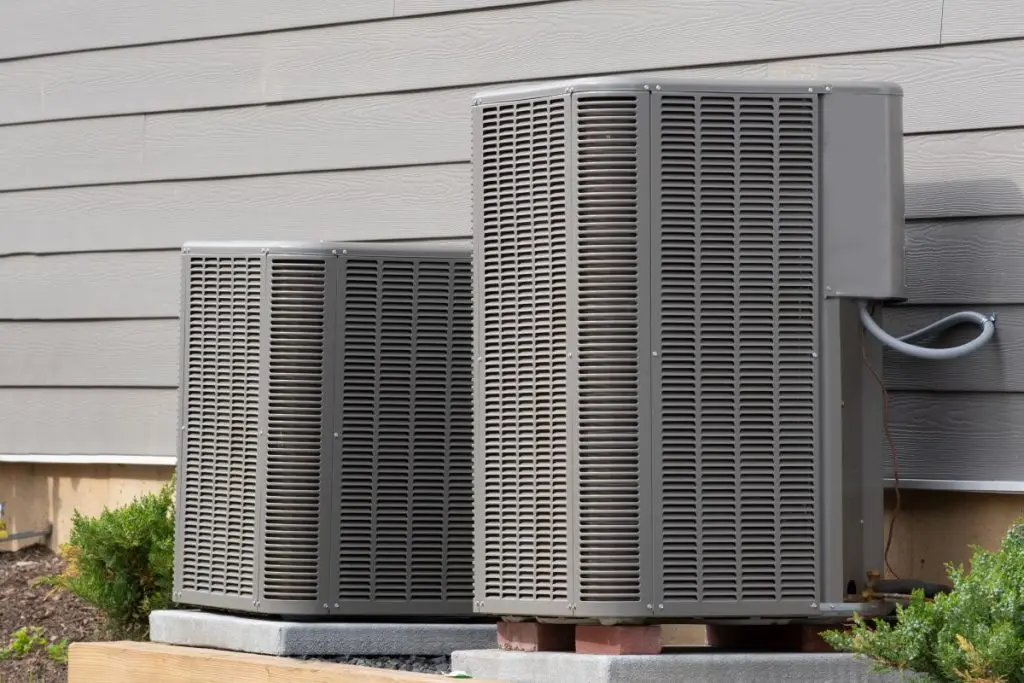
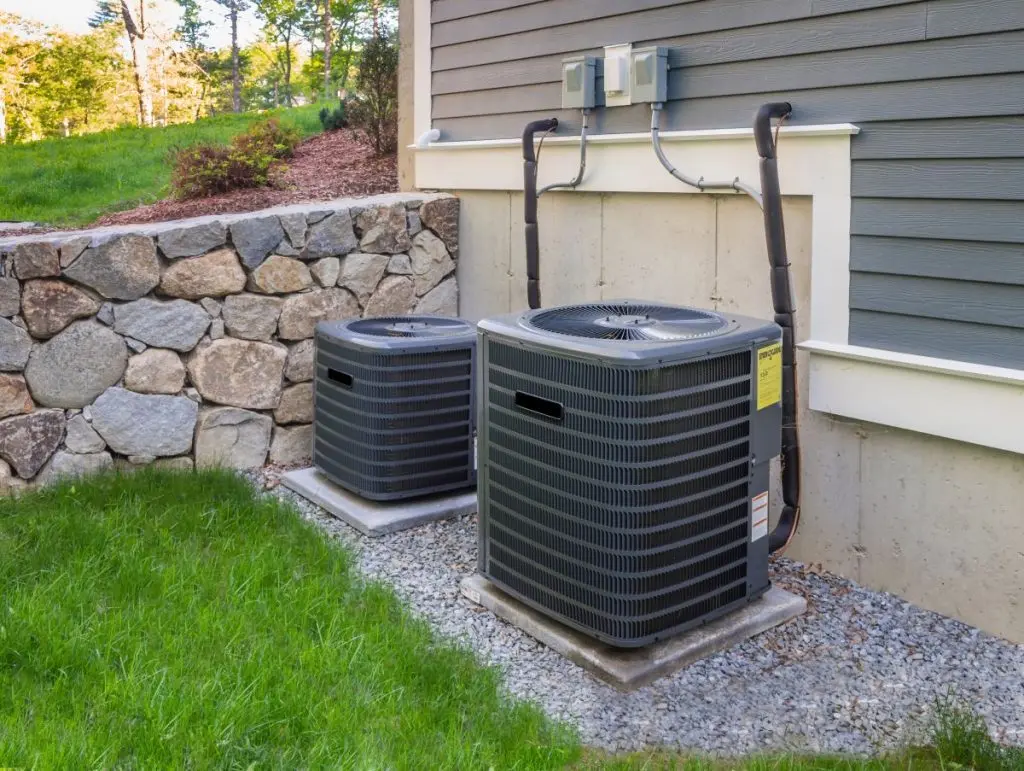
A central air system uses a single outdoor condenser unit connected to an indoor air handler or coil that distributes cooled air through a network of ducts running throughout the home. Every room receives air from the same system through vents in the walls, floors, or ceilings. The thermostat controls the whole home from one setting.
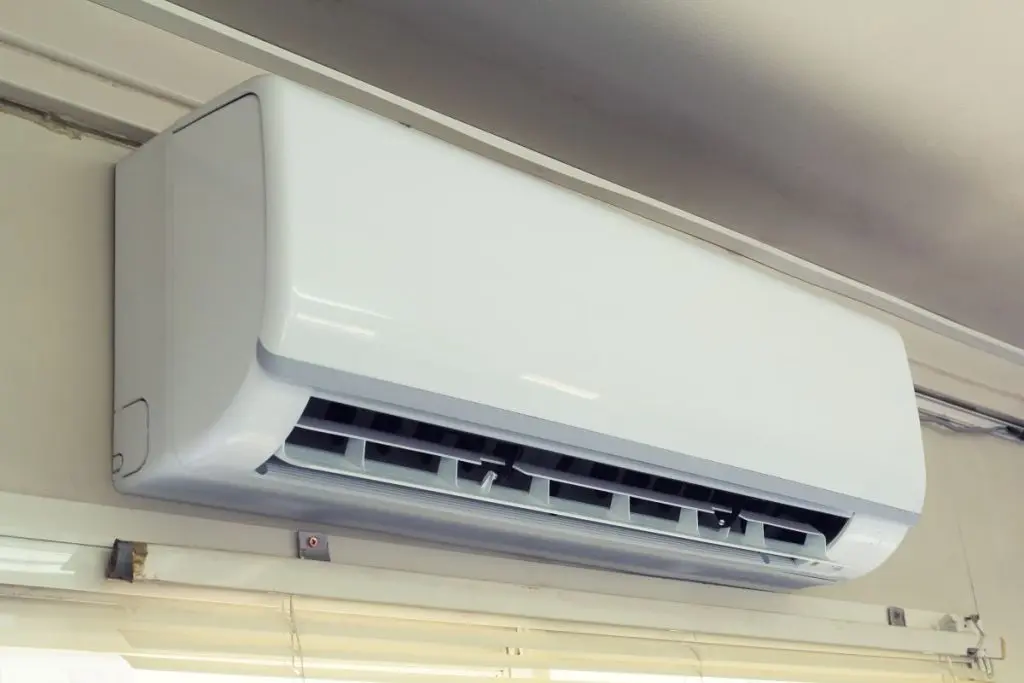
A ductless mini split system skips the ductwork entirely. It uses an outdoor condenser connected directly to one or more indoor air handlers mounted on the wall or ceiling of individual rooms. Each indoor unit has its own controls, which means different rooms can be set to different temperatures independently. The refrigerant lines run through a small hole in the wall rather than through an extensive duct system.
Here is a quick side-by-side comparison:
| Feature | Ductless Mini Split | Central Air |
| Ductwork required | No | Yes |
| Zoning capability | Yes, by room | Limited without add-ons |
| Upfront cost | Higher per zone | Lower for whole home with existing ducts |
| Energy efficiency | Higher (no duct losses) | Lower if ducts are leaky or old |
| Installation complexity | Minimal | Significant if no existing ducts |
| Best fit | Additions, older homes, targeted zones | Whole-home cooling with existing ducts |
4 Pros of Ductless Mini Splits
Mini splits have real advantages in the right situation. Here is where they pull ahead of central air.
- No ductwork needed: Mini splits connect directly from the outdoor unit to the indoor air handler through a small hole in the wall. For older Smiths Station homes without existing ductwork, or for additions, garages, and sunrooms that the central system does not reach, this is a significant advantage. Installing new ductwork from scratch in an existing home can add $5,000 to $15,000 to the project cost.
- Higher energy efficiency: According to Energy Star, ductless mini splits avoid the energy losses associated with ductwork, which can account for more than 30 percent of a home’s energy use for space conditioning. That is a meaningful efficiency edge in a home where ducts run through unconditioned attic space, which is common in Alabama.
- Room-by-room zoning: Each indoor unit operates independently. If you only want to cool the bedroom at night while the rest of the house sits warmer, a mini split lets you do that. Central air systems cool the whole home every time they run, which can waste energy in rooms that are not being used.
- Quieter operation: Mini splits use inverter technology that ramps speed up and down to maintain the set temperature rather than cycling on and off at full blast. This means quieter, more consistent operation and less energy consumed in the on-off cycle that central AC units rely on.
4 Cons of Ductless Mini Splits
Mini splits are not the right choice for every situation. Here is where central air holds the edge.
- Higher upfront cost for whole-home cooling: A single-zone mini split for one room or addition is cost competitive, but outfitting an entire home with multiple zones adds up fast. Expect $4,000 to $8,000 per zone installed. A 4-zone system covering the whole home can run $16,000 to $30,000, which is significantly more than a central AC replacement in a home with existing ductwork.
- Visible indoor units: The wall-mounted indoor air handlers are visible in the room. Some homeowners find them unobtrusive. Others do not like the look. Central air delivers conditioned air invisibly through vents, which is cleaner aesthetically for most homes.
- Maintenance across multiple units: Each indoor air handler has its own filters and components that need regular cleaning and service. A home with four zones has four indoor units to maintain versus one central system. This is manageable but worth factoring into the long-term ownership picture.
- Not always the right fit for large homes with existing ductwork: For a home over 2,000 square feet that already has ducts in good condition, a central AC replacement is almost always more cost effective upfront. The efficiency advantage of mini splits over a well-sealed central system narrows significantly when the ductwork is tight and properly insulated.
How the Costs Compare
Cost is where the mini split vs central air decision gets most complex. The right comparison depends heavily on whether your home has existing ductwork and what condition it is in.
Upfront Installation Cost
For a home with existing ductwork in good shape, a central AC replacement typically runs $6,000 to $12,000 installed in the Smiths Station area depending on system size and efficiency tier. A single-zone mini split for one room or addition runs $3,000 to $7,000. A multi-zone mini split system covering the whole home runs $12,000 to $30,000 or more depending on the number of zones.
If your home has no existing ductwork or the ducts need significant repair, the math shifts. Installing new ductwork from scratch adds $5,000 to $15,000 to the cost of a central AC installation, which can make a whole-home mini split system cost competitive by comparison.
Operating Costs
Mini splits generally run more efficiently than central air, particularly in homes where ductwork runs through unconditioned attic space. The inverter technology in mini splits allows the compressor to run at variable speeds rather than cycling on and off, which reduces energy consumption during normal operation. Most mini split systems carry SEER2 ratings of 18 to 30 or above, while central AC systems typically run 14 to 21 SEER2.
The practical difference on your monthly power bill depends on how leaky your existing ducts are and how many zones of the home you are actually cooling. A mini split that only conditions the rooms you are using can deliver meaningful savings over a central system that cools the whole house every time it runs.
Long-Term Costs
Both systems typically last 15 to 20 years with proper maintenance. Mini splits may last longer in some cases because they avoid the strain of pushing air through ductwork. Central systems that are well-maintained and connected to sealed, properly insulated ductwork perform reliably through their full lifespan as well.
Wingman installs Mitsubishi as the preferred mini split brand and Trane as the primary central AC line. Both come backed by a 10-year manufacturer parts warranty, and Wingman layers on our Can’t Pay Wingman labor and refrigerant warranty covering up to 10 years depending on the install tier.
Which System Is Right for Your Home?
The answer comes down to a few key factors specific to your home and situation.
- Go with a mini split if: Your home has no existing ductwork, you are adding a room or conditioning a space the central system does not reach, or you want room-by-room zoning control for a specific area like a garage, sunroom, or bonus room.
- Go with central air if: Your home has existing ductwork in good condition, you want whole-home cooling from a single system, or the upfront cost of a multi-zone mini split exceeds your budget.
- Consider both: Some Smiths Station homeowners run a central system for the main living areas and add a mini split for a specific zone, such as a detached garage, a room addition, or an upstairs bedroom that the central system struggles to keep comfortable.
We are proud to serve homeowners in Smiths Station, AL and nearby communities with honest guidance on ductless mini split and central AC options and more, so you get the system that actually fits your home and how you use it.
Common Questions About Mini Splits vs. Central Air
These are the questions Smiths Station homeowners ask most often when comparing the two systems. Both are solid options in the right situation, and the decision comes down to your home’s specific setup more than anything else.
Can a mini split cool an entire house?
Yes. A properly designed multi-zone mini split system with indoor units placed throughout the home can cool the entire house. For most homes over 2,000 square feet with existing ductwork in good shape, a central AC replacement is typically more cost effective upfront. For homes without existing ductwork, a whole-home mini split is worth a serious look.
How long does a mini split installation take?
A single-zone mini split installation typically takes four to six hours. A multi-zone installation with multiple indoor units takes longer depending on how many zones are involved and the complexity of running refrigerant lines through the home. Most installations are completed in a single day.
Do mini splits work for heating too?
Yes. Most mini split systems are heat pumps, which means they handle both heating and cooling in one unit. For Smiths Station homeowners who want a year-round solution for an addition or a specific zone, a mini split covers both seasons without a separate heating system.
Is a mini split harder to maintain than central air?
Not significantly harder, but different. Central air has one air handler and one filter to manage. A multi-zone mini split has multiple indoor units, each with its own filter that needs regular cleaning. Both systems benefit from annual professional service. Wingman’s Wingman Pack at $20 per month covers 10% off all repairs, Wingman Fast Pass priority scheduling, and no overtime fees, making it easy to stay on top of maintenance for either system.
Which system is quieter?
Mini splits are generally quieter indoors. The compressor sits outside and the indoor unit operates at variable speeds, which produces less noise than a central system pushing air through ductwork at full blast. For homeowners who are sensitive to noise, the mini split advantage here is noticeable.
Let Wingman Help You Pick the Right System
Whether a ductless mini split or a central AC replacement makes more sense depends on your home, your ductwork, and your goals. Wingman Heating + Cooling is Smiths Station’s Trane Elite Comfort Specialist and Mitsubishi preferred mini split installer. Every recommendation starts with an honest look at your home before any system gets sold. We lay out every option and every cost before any work starts. Contact our team to schedule your consultation and get a straight answer on which system fits your home.
