Mini Split Maintenance: Keep Your Ductless System Running
Posted 8.4.26

11 Minute Read

Mini split maintenance is the single most important thing you can do to protect your investment and keep your ductless system running efficiently for the long haul. Most mini splits last 15 to 20 years with proper care, but systems that get neglected start losing efficiency and developing problems well before that window closes. This guide walks Pike Road homeowners through exactly what regular maintenance a ductless mini split needs, how often to do it, and what to leave to a professional HVAC technician. If you want to set up a maintenance plan for your system or have a ductless mini split installed and properly maintained from day one, Wingman can take care of both.
Here is what we cover:
- Why mini split maintenance matters for efficiency and lifespan
- What you can do yourself and how often
- What professional maintenance covers
- The most common mini split problems that regular maintenance prevents
- How to know when maintenance is not enough
Why Mini Split Maintenance Matters
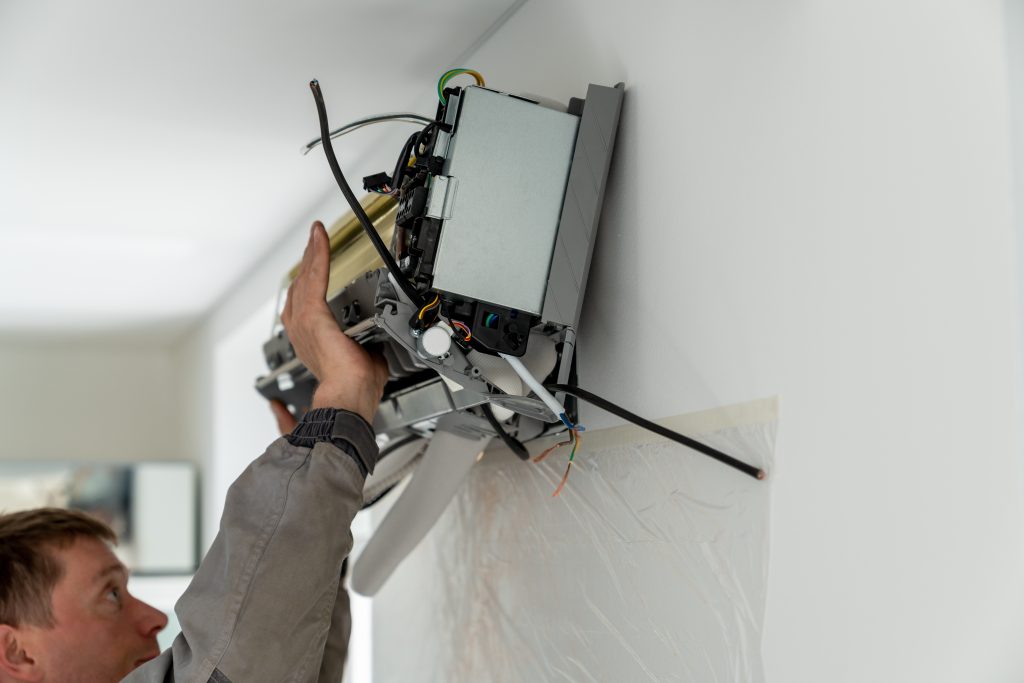
According to the Department of Energy, ductless mini split systems have a lifespan of 15 to 20 years, compared to 12 to 15 years for a standard central air conditioner. That longevity advantage is not automatic. It depends directly on how well the system is maintained. A mini split that gets consistent care will run efficiently, cool and heat evenly, and hit the upper end of its lifespan. One that gets ignored will accumulate dirt, lose refrigerant efficiency, and start causing problems in year 8 or 10 rather than year 15 or 20.
The good news is that mini split maintenance is less complicated than maintaining a central system. There is no ductwork to inspect or seal, no air handler buried in a closet, and no blower motor pushing air through 30 feet of metal duct. The maintenance points are accessible, straightforward, and largely predictable. Knowing what to do and when to schedule mini split maintenance is most of the battle.
7 Mini Split Maintenance Tasks Every Homeowner Should Know
Most of the routine upkeep on a ductless mini split system falls into two categories: things you can handle yourself on a regular schedule, and things that require professional maintenance once or twice a year. Here is a full breakdown of both.
1. Clean the Mini Split Filters Every 2 to 4 Weeks
This is the most important and most frequently needed maintenance task on any mini split system. The indoor unit draws air across washable mini split filters before passing it over the evaporator coil. When those filters get clogged with dust, pet hair, and debris, airflow drops, the coil works harder, and efficiency drops with it. Dirty air filters are the leading cause of preventable mini split problems.
- How often: Every two to four weeks during heavy use. Alabama’s long cooling season from May through September means more frequent mini split cleaning during peak months.
- How to do it: Most indoor units have a panel that opens easily to access the mini split filters. Slide them out, rinse under lukewarm water, let dry completely, and reinstall. Do not use hot water or cleaners that could damage the filter material.
- What happens if you skip it: Reduced airflow leads to a frozen evaporator coil, reduced cooling capacity, higher energy bills, and increased strain on the compressor.
2. Wipe Down the Indoor Unit Housing
Dust and debris accumulate on the outside of the indoor unit over time, particularly around the vents where air enters and exits. A quick wipe-down with a dry or lightly damp cloth every few weeks keeps the unit clean and prevents buildup from working its way into the mini split filters or coil.
- What to use: A soft dry cloth or a slightly damp microfiber cloth. Avoid spraying water or cleaning solution directly onto the indoor unit.
- What to avoid: Abrasive cleaners or anything that could damage the plastic housing or get moisture into the electrical connections.
3. Keep the Outdoor Unit Clear of Debris
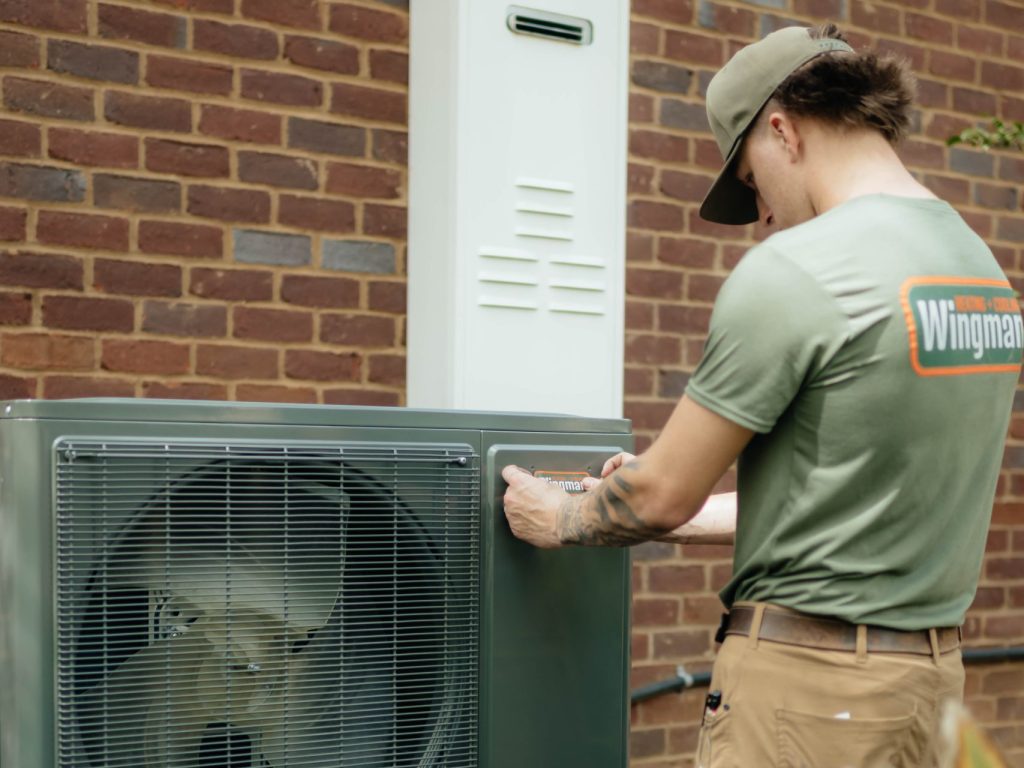
The outdoor unit needs clear airflow to release heat effectively. Leaves, grass clippings, dirt, and overgrown vegetation all restrict that airflow and force the system to work harder. In Alabama’s climate, outdoor units accumulate debris quickly during spring and fall when pollen and leaves are heavy.
- Clearance: Maintain at least two feet of open space on all sides of the outdoor unit.
- Mini split cleaning for the coil fins: Gently spray the condenser coil fins with a garden hose to remove dirt and debris. Spray from the inside out where possible to push dirt outward rather than deeper into the coil.
- Frequency: Check and clear the outdoor unit monthly during the cooling season and after any significant weather event.
4. Check and Clear the Mini Split Drain Line
As the indoor unit removes humidity from the air, it produces condensate that drains through a small mini split drain line running outside the home. If that drain line gets clogged with algae, mold, or debris, water backs up and can cause water damage to the wall or ceiling where the unit is mounted.
- What to look for: Water dripping from the indoor unit where it should not be, or visible water staining on the wall below the unit.
- Prevention: Pouring a small amount of diluted bleach through the mini split drain line periodically prevents algae growth that causes clogs.
- When to call a pro: If the line is fully clogged or you see active water damage, have a technician clear it and inspect the drain pan.
5. Test the Remote and Controls Regularly
Mini split systems are controlled by a remote or a wall-mounted controller, and sometimes by a smartphone app. Verifying that the controls respond correctly and that the system switches between heating and cooling modes as expected takes less than five minutes and catches electrical or sensor issues before they become bigger problems.
- What to check: Mode switching between heating and cooling, fan speed response, temperature accuracy compared to a separate thermometer in the room.
- Battery replacement: Keep fresh batteries in the remote. A remote with weak batteries can send incomplete signals that make the system behave erratically.
6. Inspect Refrigerant Lines Annually
The refrigerant lines connecting the outdoor unit to the indoor unit run through a small hole in the wall and are wrapped in insulation. Over time, that insulation can crack, tear, or pull away from the lines, reducing efficiency and exposing the copper lines to moisture.
- What to look for: Cracked or missing insulation on the refrigerant lines, ice forming on the lines, or visible damage to the line set cover where it exits the wall.
- What to do: Damaged insulation can be replaced with foam pipe insulation available at hardware stores. If you see ice on the lines or suspect a refrigerant leak, call a professional HVAC technician immediately.
7. Schedule Annual Professional Maintenance
Everything above is homeowner-level upkeep. Once a year, professional maintenance from a licensed HVAC technician should cover the full system. This is not optional if you want the system to reach 15 to 20 years of reliable operation. Knowing when to schedule mini split maintenance professionally, ideally in March or April before peak season, makes a real difference in how the system performs all summer.
- What professional maintenance includes: Deep mini split cleaning of the evaporator and condenser coils, refrigerant level check and leak inspection, electrical connections inspection, mini split drain line clearing, filter cleaning or replacement, and a full system performance test.
- When to schedule it: Spring before the peak cooling season begins is the ideal time for Pike Road homeowners. Getting it done early means the system is verified and ready before the heat hits in May.
- Cost: Professional maintenance typically runs $100 to $200 per zone depending on system size and the market. Wingman’s Wingman Pack at $20 per month includes 10% off all repairs, Wingman Fast Pass priority scheduling, and no overtime fees, making it easy to stay current on annual service without a large one-time expense.
The Most Common Mini Split Problems That Regular Maintenance Prevents
Consistent regular maintenance does more than extend lifespan. It prevents the specific failures that lead to expensive repair calls and uncomfortable weeks without cooling in the middle of an Alabama summer.
- Frozen evaporator coil: Almost always caused by restricted airflow from dirty mini split filters or a dirty coil. Cleaning the filters every two to four weeks eliminates the most common cause of this failure.
- Refrigerant loss: Professional maintenance includes checking refrigerant levels and identifying leaks before they cause compressor damage. A compressor that runs low on refrigerant for an extended period fails prematurely and expensively.
- Mold and odors from the indoor unit: Mini split systems that skip regular mini split cleaning develop mold and bacteria on the evaporator coil and in the drain pan, which produces musty odors every time the system runs. Annual professional coil cleaning addresses this directly.
- Reduced efficiency and higher energy bills: Dirty coils, clogged air filters, and low refrigerant all reduce system efficiency. A well-maintained mini split runs at or near its rated SEER2 efficiency. A neglected one can lose 20% to 30% of its efficiency without any obvious mechanical failure.
- Condensate drain clogs: A clogged mini split drain line causes water damage quickly, particularly in humid Alabama summers when the system is removing significant moisture from the air. Periodic drain line maintenance prevents this entirely.
We are proud to serve homeowners in Pike Road, AL and nearby communities with honest ductless mini split maintenance and more, so your system runs the way it should all season long.
Common Questions About Mini Split Maintenance

These are the questions Pike Road homeowners ask most often about keeping their ductless system running.
How often should I schedule mini split maintenance professionally?
Once a year is the minimum for most residential mini split systems. Systems that run year-round as heat pumps, which is common in Alabama’s mild winters, benefit from a spring and fall check since they accumulate more annual operating hours than cooling-only systems.
Can I do mini split cleaning on the coils myself?
You can rinse the outdoor unit coil with a garden hose. The indoor evaporator coil requires more care and ideally a professional coil cleaning solution applied by a technician. Spraying water directly into the indoor unit without proper technique can cause water damage or push debris deeper into the coil rather than removing it.
What happens if I never clean the mini split filters?
Clogged air filters restrict airflow across the evaporator coil, which causes the coil to freeze. A frozen coil stops cooling entirely and can cause water damage as it thaws. Repeated freezing puts excessive strain on the compressor, which is the most expensive component in the system to replace. Cleaning the mini split filters every two to four weeks during peak use prevents all of this.
How do I know if my mini split has a refrigerant leak?
Signs of a refrigerant leak include warm air from the indoor unit despite the system running, ice forming on the refrigerant lines or the indoor unit, a hissing sound near the outdoor unit, and a noticeable drop in cooling performance. If you see any of these signs, shut the system down and call a technician. Running a system with a refrigerant leak damages the compressor.
Does my mini split need regular maintenance if it seems to be running fine?
Yes. Many of the efficiency losses and developing problems that professional maintenance catches are not visible or obvious to the homeowner until they become significant failures. Annual service catches refrigerant loss, coil buildup, electrical connections issues, and drain problems before they show up as broken equipment or water damage.
Let Wingman Keep Your Mini Split Running Right
Consistent regular maintenance is what separates a mini split that runs 20 years from one that starts causing problems in year 10. Wingman Heating + Cooling is Pike Road’s Mitsubishi preferred installer and Trane Elite Comfort Specialist. We service ductless systems of all brands and handle everything from mini split cleaning guidance to full annual professional maintenance. Contact our team to schedule your mini split service and keep your system running the way it should all the way through the season.