

Is an HVAC Maintenance Plan Worth It? What Homeowners Need to Know
Posted 9.8.26

10 Minute Read

For most Opelika homeowners, an HVAC maintenance plan is one of the better investments you can make in a house that depends heavily on its heating and cooling system from May through September. The real question is not whether maintenance matters but whether paying for a plan rather than scheduling individual visits makes financial sense for your specific situation. This guide breaks down what a maintenance plan actually includes, what the numbers look like, and how Wingman’s Wingman Pack maintenance program compares to going without coverage. If your system is aging and you are weighing whether to maintain or move toward a full AC replacement, Wingman can help you figure out which direction makes more sense before any money gets spent.
Here is what we cover:
- What an HVAC maintenance plan actually includes
- The real financial case for and against a plan
- What Alabama’s climate means for maintenance frequency
- What the Wingman Pack covers and what it costs
- How to decide if a plan makes sense for your home
What Does an HVAC Maintenance Plan Include?
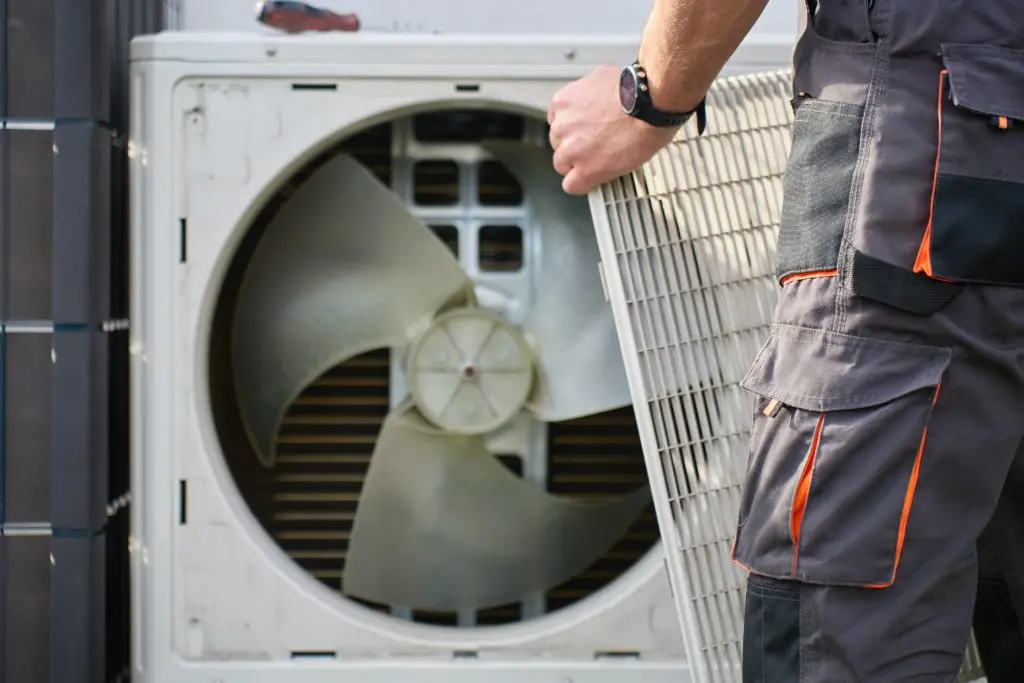
An HVAC maintenance plan is a service agreement between a homeowner and an HVAC contractor that guarantees a set number of professional tune-ups per year, usually two, along with additional member benefits like repair discounts, priority scheduling, and waived fees. The specific inclusions vary by contractor and plan tier, but a quality plan covers a thorough inspection and service of the full HVAC system each visit.
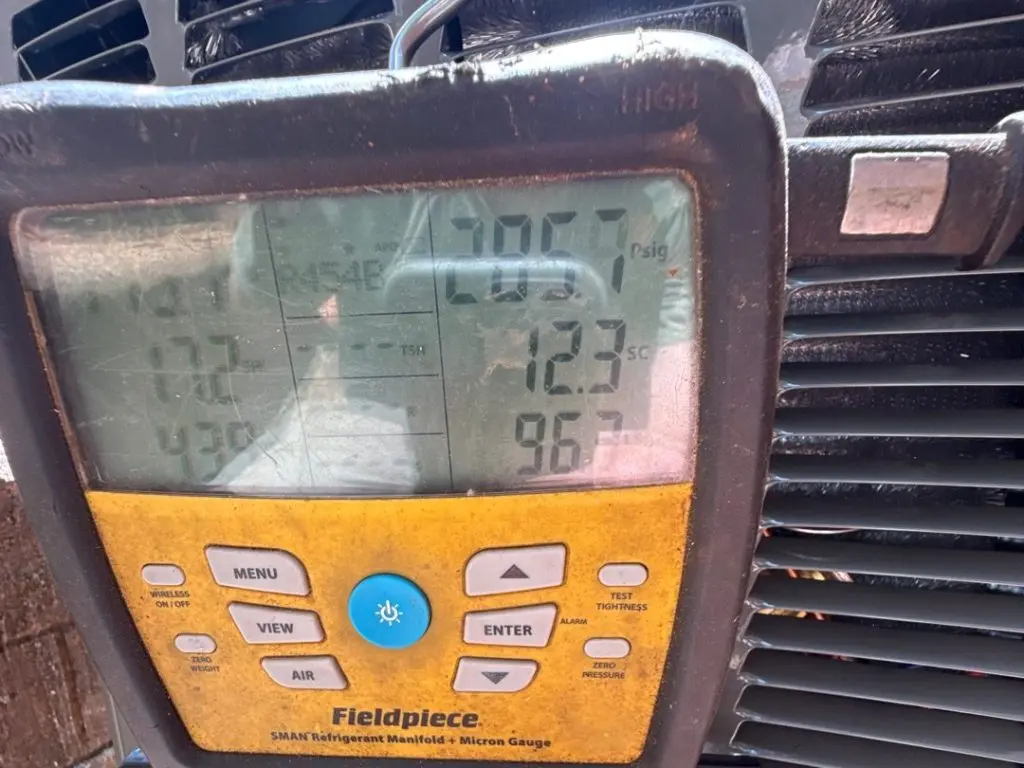
A standard professional tune-up under a maintenance plan typically includes cleaning the condenser and evaporator coils, checking refrigerant levels, inspecting electrical connections and components, testing the thermostat and controls, lubricating moving parts, checking the condensate drain line, inspecting the air filter, and running a full system performance test. The goal is to catch small problems before they become expensive failures and to keep the system running at or near its rated efficiency.
What separates a maintenance plan from a one-time tune-up is the ongoing relationship and the member benefits that come with it. Priority scheduling during peak season, repair discounts, and waived diagnostic fees all reduce what you actually spend when something goes wrong, on top of the preventive service itself.
The Financial Case for an HVAC Maintenance Plan
The math on maintenance plans is straightforward once you lay it out properly. Here is what the numbers actually look like for an Opelika homeowner weighing the decision.
According to the Department of Energy, annual maintenance can reduce your air conditioner’s energy consumption by 5 to 15 percent. On a $200 monthly cooling bill during Alabama’s five-month peak season, a 10% efficiency improvement saves $100 to $150 across the cooling season alone. That savings covers a meaningful portion of a typical maintenance plan’s annual cost before accounting for any repair prevention or discount benefits.
The emergency repair comparison is equally compelling. Emergency HVAC repairs cost 50 to 100 percent more than standard service calls due to after-hours labor premiums and urgent parts sourcing. A single prevented breakdown saves $300 to $600 at standard rates, or significantly more after emergency premiums. A maintenance plan that costs $240 per year pays for itself the first time it catches a failing capacitor, a low refrigerant charge, or a clogged condensate drain before those become emergency calls.
Industry data consistently shows that homeowners who maintain their HVAC systems spend an average of $400 to $600 per year on total HVAC costs, while those who skip maintenance average $1,200 to $2,500 in reactive repairs. Over a five-year period, that gap adds up to thousands of dollars, not counting the efficiency losses on a neglected system running harder than it needs to every month.
5 Reasons Alabama Homeowners Get More Value From Maintenance Plans
The case for an HVAC maintenance plan is stronger in Alabama than it is in most other parts of the country. Here is why the math tilts more in favor of a plan for Opelika and Lee County homeowners specifically.
1. Alabama’s Cooling Season Is Longer Than Almost Anywhere Else
Most of the country runs their central AC three to four months a year. Alabama homeowners run theirs five to six months, often starting in April and not shutting down until October. More operating hours means more wear on every component, including capacitors, contactors, coils, and the compressor itself. Annual tune-ups catch wear on components that are accumulating those hours faster than they would in a milder climate.
- More hours, more wear: A system in Alabama accumulates 25 to 40 percent more annual operating hours than the same system would in a Northern state.
- More frequent filter loading: Alabama’s pollen season and humid conditions load air filters faster, which makes regular professional filter checks more valuable.
- More coil fouling: Outdoor coils accumulate debris faster in humid, pollen-heavy climates. A dirty condenser coil can reduce system efficiency significantly over a season.
2. Humidity Creates Additional System Stress
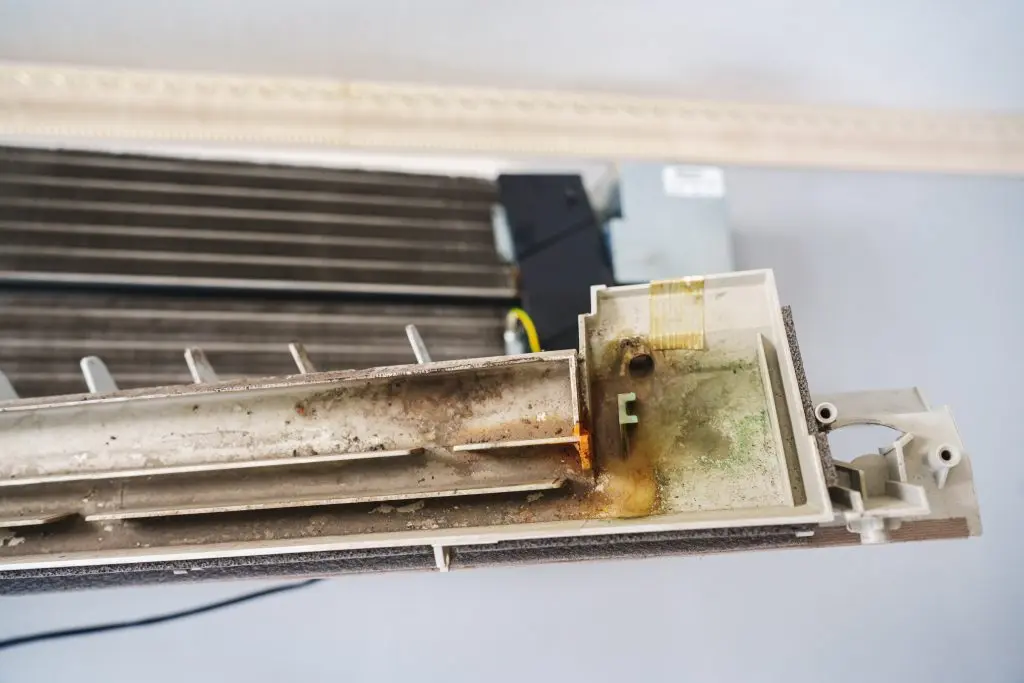
Alabama’s humidity means the HVAC system is not just managing temperature. It is also removing moisture from the air, which puts additional load on the evaporator coil, the condensate drain system, and the compressor. A system that is also fighting high indoor humidity works harder and develops problems faster than a system in a dry climate doing the same cooling work.
- Condensate drain clogs: Humid conditions accelerate algae growth in condensate drain lines. A clogged drain line causes water damage quickly. Professional maintenance clears the line before it becomes a problem.
- Evaporator coil stress: High latent load from humidity means the evaporator coil runs harder. Keeping the coil clean and refrigerant properly charged is critical for efficiency and longevity under Alabama conditions.
3. Catching Small Problems Before Peak Season Is Critical
In an Alabama summer, a system failure is not an inconvenience. It is a genuine comfort and health issue. A home without cooling in a July heat wave is not something most homeowners can wait several days to resolve. Getting ahead of small problems in a spring tune-up, before the cooling season peaks, means issues get caught when there is time to address them on a normal schedule rather than as an emergency.
- Spring tune-up timing: A maintenance visit in March or April catches problems before the system faces maximum load in June through August.
- Emergency premium avoidance: Problems found during a scheduled tune-up get repaired at standard rates rather than emergency rates, which can be 50 to 100 percent higher.
4. Maintaining Manufacturer Warranty Validity
Many manufacturers require documented annual professional maintenance to keep the full warranty valid. Trane’s warranty structure, for example, expects the system to be properly maintained. If a major component fails and there is no record of professional service, the warranty claim can be complicated. A maintenance plan provides the documentation of regular professional service that protects your warranty coverage.
- Documentation matters: A maintenance plan creates a service record that supports warranty claims if a major component fails during the warranty period.
- Trane warranty stack: Trane systems installed by Wingman include a 10-year parts warranty plus our Can’t Pay Wingman labor and refrigerant warranty. Keeping that coverage clean requires documented maintenance.
5. Repair Discounts Reduce Out-of-Pocket Costs When Something Does Go Wrong
Even well-maintained systems occasionally need repairs. A maintenance plan typically includes repair discounts ranging from 10 to 20 percent on parts and labor, which reduces what you pay for those inevitable service calls over the life of the system. Over a 15 to 20 year system lifespan, those discounts add up to real money.
- Repair discount value: A 10% repair discount on a $500 repair saves $50. On $2,000 in repairs over five years, that is $200 back in your pocket on top of the maintenance savings.
- Priority scheduling value: In July, when Opelika contractors are running at full capacity, plan members get to the front of the schedule. That priority can mean the difference between same-day service and waiting three to five days.
What the Wingman Pack Covers and What It Costs
The Wingman Pack is Wingman’s maintenance program for Opelika and Lee County homeowners. At $20 per month, it is one of the more straightforward maintenance programs in the market.
Here is what Wingman Pack members get:
- 10% off all repairs: Every repair call, every time, for as long as you are a member.
- Wingman Fast Pass scheduling: Priority scheduling over non-members during peak season when schedule availability is tightest.
- No overtime fees: No premium charges for after-hours or weekend service calls.
- Exclusive member offers: Periodic offers available only to Wingman Pack members.
At $20 per month, the Wingman Pack costs $240 annually. That is less than the cost of a single standard service call in most markets, and it delivers repair discounts and priority scheduling on top of the relationship with a contractor who knows your system and its service history.
We are proud to serve homeowners in Opelika, AL and nearby communities with honest HVAC maintenance guidance and more, so you can make the right call for your home and your budget.
Common Questions About HVAC Maintenance Plans
These are the questions Opelika homeowners ask most often when deciding whether a maintenance plan makes sense.
How often should an HVAC system be serviced?
Twice a year is the standard recommendation for a central HVAC system in Alabama’s climate, once in spring before the cooling season and once in fall before the heating season. Heat pumps that run year-round benefit from both visits since they accumulate more annual operating hours than cooling-only systems.
Does a maintenance plan cover repairs?
Most maintenance plans, including the Wingman Pack, do not cover the cost of repairs outright. What they do is discount repairs, waive diagnostic fees, and prioritize member scheduling. The Wingman Pack provides 10% off all repairs, which reduces what you pay every time a repair is needed.
What happens if I skip a year of maintenance?
A skipped year of maintenance does not immediately break the system, but it allows problems to develop undetected. A dirty coil, low refrigerant charge, or a weakening capacitor that would have been caught in a spring tune-up can fail during the peak cooling season and require an emergency repair at premium rates. The longer maintenance is skipped, the more efficiency is lost and the greater the risk of a larger failure.
Is the Wingman Pack worth it for a newer system?
Yes, even for newer systems. A system under warranty still benefits from documented professional service, the repair discount applies to any repair regardless of system age, and priority scheduling during peak season has real value when the system does need attention. The monthly cost is low enough that the priority scheduling and repair discount alone justify it for most homeowners.
Can I cancel the Wingman Pack if I change my mind?
For specific terms and cancellation details, contact Wingman directly. The plan is designed to be a straightforward monthly commitment without the complexity of a multi-year contract.
Let Wingman Keep Your System Running All Season
The right HVAC maintenance plan pays for itself and then some over the life of your system. Wingman Heating + Cooling is Opelika’s Trane Elite Comfort Specialist, and the Wingman Pack is designed to give Lee County homeowners professional maintenance, repair discounts, and priority scheduling at a price that makes the decision easy. Contact our team to sign up for the Wingman Pack or to schedule your first tune-up and see what your system actually needs going into peak season.
