

Heat Pump vs AC: Which System Is the Better Choice for Alabama?
Posted 7.14.26

10 Minute Read

When weighing a heat pump vs AC for your next HVAC system in Alabama, you are asking the right question at the right time. The answer is not the same for every homeowner, but Alabama’s climate gives heat pumps a real edge that is worth understanding before you make a decision that will affect your home comfort and energy bills for the next 15 to 20 years. This guide breaks down how each system works, explains the climate case for heat pumps in Alabama, and helps Phenix City homeowners figure out which direction actually makes sense for their home. If you already have a sense of which way you are leaning, Wingman can walk you through your heat pump options or help you evaluate a straight AC replacement depending on what fits your situation.
Here is what we cover:
- How heat pump systems and traditional AC systems actually work
- Why Alabama’s climate favors heat pumps for most homeowners
- Where a traditional AC still makes more sense
- How the costs compare upfront and over time
- What to ask before making the final call
How Each System Works
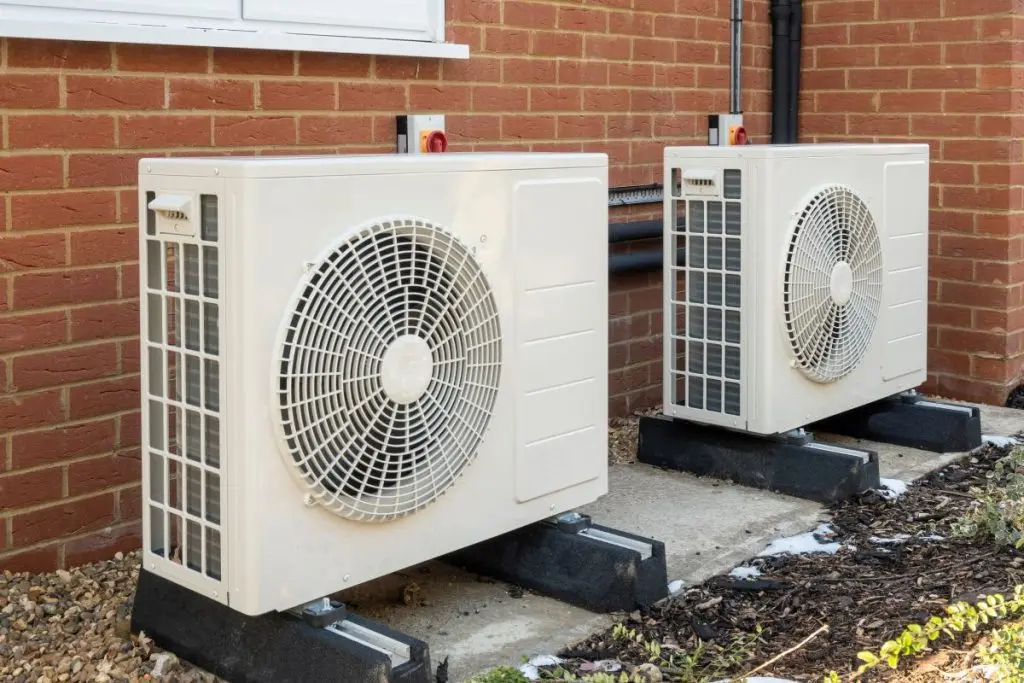
Before comparing them, it helps to understand what is actually happening inside each system. A traditional central air conditioner removes heat from inside your home and releases it outside using a refrigerant cycle between an indoor evaporator coil and an outdoor condenser unit. In cooling mode, it pulls warm air from inside the home, runs it across the evaporator coil to remove heat energy, and pushes cooled air back through the vents. It is a one-direction system built purely for air conditioning that pairs with a separate furnace or air handler in winter. To heat and cool your home with a traditional AC setup, you are running two separate pieces of equipment with separate maintenance needs, separate potential failure points, and separate costs.
A heat pump system works on the same refrigerant cycle but with one critical difference: it can reverse direction. In cooling mode, it operates exactly like a traditional central air conditioner, pulling warm air out and delivering cooled air back into the home. In heating mode, it reverses the cycle and extracts heat energy from outdoor air to warm the home, even when outdoor temperatures feel cold. One heat pump system handles both heating and air conditioning year-round, which is the core reason heat pumps have become the dominant choice in mild-winter climates like Alabama.
| Feature | Traditional AC + Furnace | Heat Pump System |
| Cooling | Yes | Yes |
| Heating | Requires separate furnace | Built in |
| Efficiency in mild winters | Lower (furnace dependent) | Higher |
| Upfront cost | Lower for AC alone, higher with furnace | Moderate to high |
| Equipment count | Two systems | One system |
| Best climate fit | Cold winters, long heating seasons | Mild winters, hot summers |
3 Reasons Why Alabama’s Climate Favors Heat Pumps
This is where the pump vs air conditioner conversation gets specific to Phenix City and the broader Alabama climate. According to the Department of Energy, air source heat pumps are saving families hundreds of dollars on energy costs annually, with the best option for most homes being an ENERGY STAR variable-speed unit that saves on both heating and cooling bills. Alabama sits primarily in Climate Zone 3, a mixed-humid zone with long, hot summers and relatively short, mild winters. Heat pump efficiency is highest when outdoor temperatures stay above 35 to 40 degrees Fahrenheit, a threshold Alabama rarely dips below for extended periods. That means a heat pump system operates in its energy efficiency sweet spot for most of the heating season here.
- Long cooling season: Alabama’s May through September air conditioning season is where both systems perform equally. A heat pump gives up nothing in cooling mode.
- Short, mild heating season: Heat pumps excel in climates where extended sub-freezing temperatures are rare. Most of Alabama fits that profile well, making heat pump efficiency a genuine advantage over a gas furnace for the bulk of the heating season.
- Electricity already dominates: Roughly 65% of Alabama residential buildings heat with electricity according to U.S. Census data, meaning most homes already have the infrastructure in place for heat pump operation.
Where a Traditional AC Still Makes More Sense
Heat pumps are the right call for most Alabama homeowners, but not every situation. Here is where a traditional AC paired with a gas furnace still makes sense.
You Already Have Natural Gas Infrastructure
If your home has an existing gas line and a furnace that is still in good shape, the cost of switching to a heat pump system may not pencil out in the near term. Replacing just the AC condenser and keeping the existing furnace is a defensible choice when the furnace has several good years left. Some homeowners in this situation also consider a dual fuel system, which pairs a heat pump with a gas furnace backup so the system automatically switches to gas on the coldest days when heat pump efficiency drops. When the furnace eventually needs replacement, that is the natural decision point to revisit the full heat pump option.
- When gas makes sense: The furnace is under 10 years old and gas rates in your area are meaningfully lower than electricity rates.
- When to reconsider: At furnace replacement, evaluate switching to a heat pump system rather than replacing like for like.
You Are on a Tight Upfront Budget
Heat pumps typically cost $1,000 to $3,000 more upfront than a comparable AC unit. If upfront cost is the primary constraint, a traditional AC may be the more practical near-term choice. That gap narrows over time through lower heating costs, particularly for homeowners currently using electric resistance heat or an aging gas furnace.
How the Costs Compare
Cost comparisons between heat pump vs air conditioner options need to account for both upfront and operating costs. Heat pump cost for a standard installation in the Phenix City area generally runs $6,000 to $13,000, while a comparable central air conditioner runs $5,000 to $10,000. The federal Energy Efficient Home Improvement Credit covers up to $2,000 for qualifying heat pump installations as of 2026, which meaningfully reduces that gap for homeowners who qualify.
On the operating side, a heat pump system moves heat energy rather than generating it, making it two to three times more efficient than electric resistance heat during the heating season. For homeowners currently on electric strip heat, switching to a heat pump can cut winter heating costs significantly, sometimes by 30% to 50% depending on usage and system energy efficiency. For homes on natural gas, the comparison is closer and depends on local rate differences, but heat pumps are competitive with natural gas in Alabama’s mild winters for most of the heating season. The coldest days of the year are where a gas furnace may maintain a slight energy efficiency edge, but those days are limited in number across a typical Alabama winter.
Both systems require annual maintenance and typically last 15 to 20 years. Wingman installs Trane heat pumps backed by a 10-year manufacturer parts warranty plus our Can’t Pay Wingman labor and refrigerant warranty covering up to 10 years depending on the install tier. Wingman’s Wingman Pack at $20 per month covers 10% off repairs, Wingman Fast Pass priority scheduling, and no overtime fees, making it easy to stay current on maintenance for either system.
Before committing to either system, these are the questions worth getting answered for your specific home and situation.
- What is my current heating fuel source? Electric resistance heat or an aging gas furnace both make a strong case for switching to a heat pump system.
- How long do I plan to stay in the home? The longer your ownership horizon, the more the operating cost savings from a heat pump stack up in your favor.
- What is the condition of my existing ductwork? Both systems require properly sized and sealed ductwork to deliver rated energy efficiency. This is worth evaluating before choosing either path.
- What is my upfront budget? If cost is the primary constraint, a traditional AC replacement may be the right short-term move, with a heat pump conversion as a future option.
We are proud to serve homeowners in Phenix City, AL and nearby communities with honest guidance on heat pump and AC replacement options and more, so you get a system that fits your home, your budget, and the way you actually live.
Common Questions About Heat Pumps vs. AC
These are the questions Phenix City homeowners ask most often when working through this decision. The heat pump vs AC comparison comes with a lot of variables, and the right answer depends on your home, your current heating setup, and how long you plan to stay. Here are direct answers to the most common ones to help you move forward with confidence.
Can a heat pump handle Alabama summers as well as a traditional AC?
Yes. A heat pump system cools your home using the exact same refrigerant cycle as a traditional central air conditioner. There is no performance difference in cooling mode. The advantage of a heat pump is what it adds during the heating season, not what it gives up when it is pulling warm air out of your home in summer.
Do heat pumps struggle in cold weather?
Air source heat pumps lose efficiency in heating mode below 35 to 40 degrees Fahrenheit. For most Alabama homeowners, extended sub-freezing temperatures are uncommon, so this is rarely an issue. On the coldest nights, modern heat pump systems kick in backup electric resistance heat automatically to maintain comfort without you having to do anything.
Is a heat pump more expensive to maintain than a traditional AC?
Not significantly. Both systems need annual professional maintenance, filter changes, and occasional repairs. Heat pump systems run year-round, accumulating more operating hours, which makes consistent upkeep even more important than it is for a cooling-only air conditioning unit.
Are there tax credits for heat pump installations in 2026?
The federal Energy Efficient Home Improvement Credit covers up to $2,000 for qualifying heat pump installations through 2032. Check with your tax professional to confirm eligibility, as income and installation requirements apply.
Which system does Wingman recommend for most Alabama homeowners?
For most Phenix City area homeowners replacing an aging system without a specific reason to stay with a traditional air conditioning setup, a heat pump system is the recommendation. Alabama’s mild winters and long cooling season make heat pump efficiency a genuine advantage, and the all-in-one functionality simplifies the equipment profile for the home. Every situation is different, though, and Wingman walks through the specifics before any recommendation gets made.
Let Wingman Help You Make the Right Call
Whether a heat pump system or a traditional AC is the better fit comes down to your specific home and situation. Wingman Heating + Cooling is Phenix City’s Trane Elite Comfort Specialist, and every system recommendation starts with an honest look at your home, your heating fuel setup, your ductwork, and your budget. We lay out every option before any work starts. Contact our team to schedule your consultation and get a straight answer on which system makes sense for your home.
